
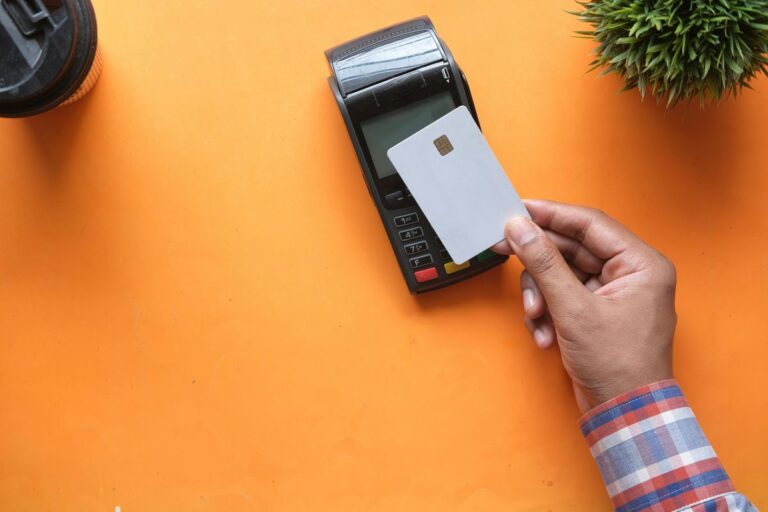
A secured credit card is a starting point, not a destination. The whole point is to use it, build a track record, and then qualify for a regular unsecured card that doesn’t require a security deposit. That process typically takes 12–24 months if you handle the card correctly, but plenty of people stay on secured cards longer than necessary because they don’t know the upgrade path.
What Makes the Transition Possible
Secured cards report to the credit bureaus just like unsecured cards. Every on-time payment adds to your credit history. Your credit utilization — how much of your credit limit you’re using — gets factored into your score. Over time, consistent responsible use builds the score that makes you eligible for better products.
The key metrics lenders look at when deciding whether to offer you an unsecured card:
- Payment history (the biggest factor in most scoring models)
- Credit utilization ratio (your balance as a percentage of your limit)
- Length of credit history
- Number of recent credit inquiries
After 12 months of consistent payments and low utilization, many people have built a score in the 650–700 range, which opens the door to a range of entry-level unsecured cards.
Two Ways to Upgrade
There are two distinct paths from secured to unsecured, and the right one depends on your specific card issuer and situation.
Automatic Upgrade by Your Current Issuer
Some secured cards are specifically designed as stepping stones. Issuers that offer these will periodically review your account and, if you qualify, upgrade you automatically — returning your security deposit and converting your account to an unsecured card. This happens without you having to apply for anything new, which means no hard credit inquiry and no interruption to your account age.
If you’re on a card like this, the best approach is to use it regularly (but not excessively), pay in full each month, and wait. You’ll typically receive a notice after 12–18 months if you’re eligible for an upgrade.
Check your cardholder agreement or call customer service to ask whether your specific card has an automatic upgrade path and what the eligibility criteria are.
Applying for a New Unsecured Card
If your secured card issuer doesn’t offer an upgrade path — or if you want to move faster — you can apply for a new unsecured card elsewhere. Many entry-level unsecured cards target people who have been building credit for 6–24 months. With a score above 630–650, you’ll have options.
If approved, you’d then close your secured card (getting your deposit back) or keep it open for the account age benefit. If you keep it open, make sure it doesn’t have an annual fee that erodes value when you’re not using it heavily.
When to Make the Move
There’s no universal rule, but a few signals suggest you’re ready to apply for an unsecured card:
- Your credit score has crossed 640–660
- You’ve had your secured card for at least 12 months
- You’ve paid on time every month
- Your utilization has been consistently below 30% (ideally below 10%)
- You haven’t opened multiple new credit accounts in the past year
Applying before you’re ready results in a denial that adds a hard inquiry to your report without any benefit. Being patient and strategic about timing matters.
What to Do With Your Secured Card After Upgrading
If your secured card issuer upgrades you automatically, the question is moot — your account continues as-is, just without the deposit requirement. Your account age is preserved.
If you open a new unsecured card elsewhere, you have a choice about your secured card:
Keep it open: If there’s no annual fee, keeping it open preserves your account age and lowers your overall credit utilization by keeping that credit line available. Use it occasionally for small purchases to keep the account active.
Close it and get your deposit back: If the card has an annual fee you’d rather not pay, or if managing multiple accounts is more trouble than it’s worth, closing it is reasonable. It will affect your average account age and your overall available credit, but the impact is manageable if you have other accounts in good standing.
Common Mistakes That Delay the Transition
A few habits that keep people on secured cards longer than necessary:
- Maxing out the card regularly. High utilization (above 30% of your limit) suppresses your score even if you pay it off monthly. A $500 limit card should rarely carry a balance above $150.
- Missing payments, even once. A single 30-day late payment can drop your score significantly and reset the timeline.
- Not using the card at all. Inactivity doesn’t build history. Make small purchases monthly and pay them off.
- Applying for too many new accounts. Multiple hard inquiries in a short window signal risk to lenders and lower your score temporarily.
After You Get the Unsecured Card
Getting approved for your first unsecured card is a sign of real credit progress, but it’s not the endpoint. From here, the same habits apply: pay in full each month, keep utilization low, don’t open multiple new accounts at once. Within another 12–18 months, you’ll likely be in range for cards with meaningful rewards and better terms.
The credit-building process is slow by design. The system rewards consistent behavior over time, not just a few months of doing the right things. Keep the basics in place and the options available to you will keep improving.
